Last week, Hamburg hosted the latest edition of the OMR Festival, and the scale of it once again confirmed why the event remains one of Europe’s defining gatherings for marketing, media, tech, and digital business. Held on May 5-6, 2026 at Hamburg Messe, OMR 2026 brought together more than 70,000 attendees, along with 800+ speakers and more than 1,000 exhibitors and partners, according to the official festival site. The event blended big-stage conversations, masterclasses, guided tours, networking, and entertainment into a format that now feels uniquely OMR. OMR Festival
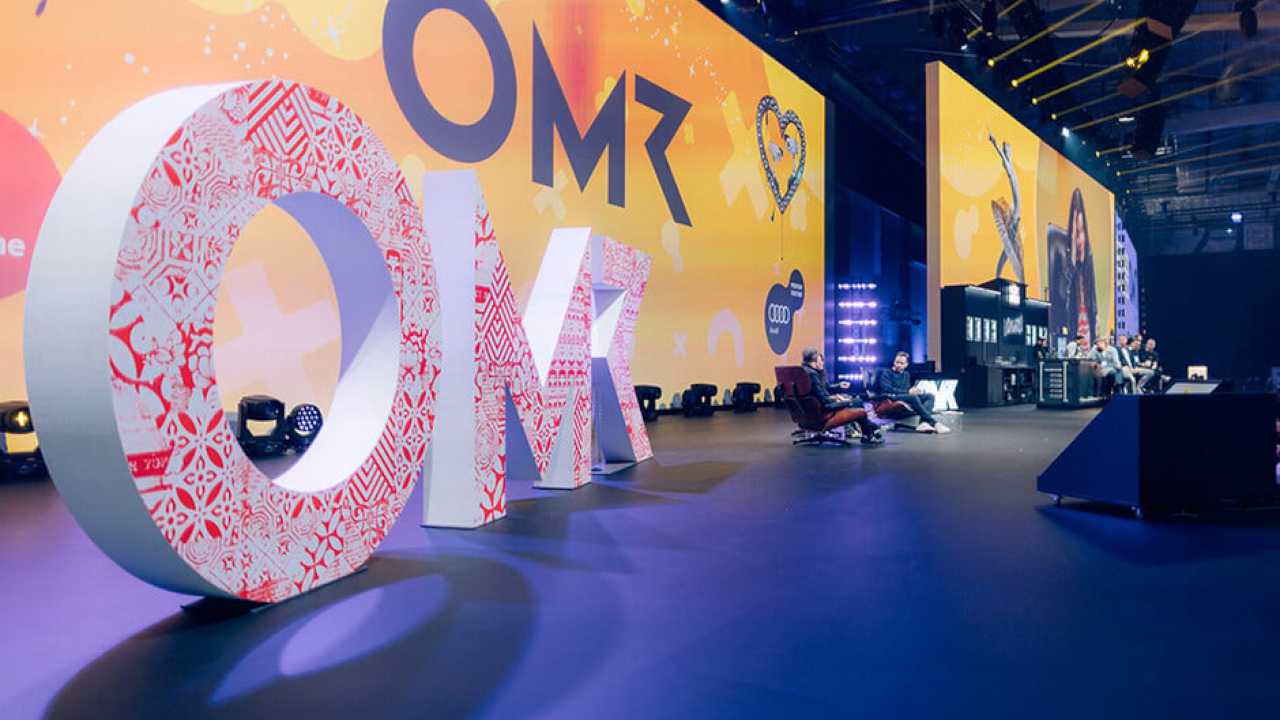
What stood out most this year was the sheer breadth of the program. OMR positioned the festival around the themes currently shaping the digital economy – especially AI, e-commerce, finance, platforms, search, creator culture, and brand strategy. The official event page notes that the festival included 300+ masterclasses, 200 guided tours, and over 100 food booths, underscoring how much OMR has expanded beyond a classic conference format into a city-scale industry experience. OMR Festival
The speaker lineup reflected that ambition. Among the featured names on the 2026 program were Meredith Whittaker, President of Signal; Nick Turley, Head of ChatGPT at OpenAI; Brendon Kraham, VP Global Search Ads & Commerce at Google; Malik Ducard, Chief Content Officer at Pinterest; David Sandström, CMO of Klarna; Scott Galloway of NYU Stern; Tom Brady; Heidi Klum; and Roland Emmerich. OMR also highlighted appearances from public figures including Lars Klingbeil, Germany’s Vice-Chancellor and Federal Minister of Finance, and Dr. Karsten Wildberger, Federal Minister for Digital Transformation and Government Modernisation. Taken together, the lineup showed how OMR continues to blur the boundaries between marketing conference, business summit, and pop-culture event. OMR Festival OMR Press
Several pre-event OMR press releases had already signaled the editorial direction of this year’s festival. One announcement emphasized speakers from Google and Reddit discussing search ads, community power, and global brand insights. Another highlighted leaders from AG1, Pinterest, and Klarna, pointing to the continued centrality of health brands, platforms, and fintech in the modern marketing ecosystem. A separate announcement promoted appearances by Heidi Klum and Roland Emmerich, reinforcing OMR’s long-running strategy of mixing business relevance with mainstream star power. OMR Press
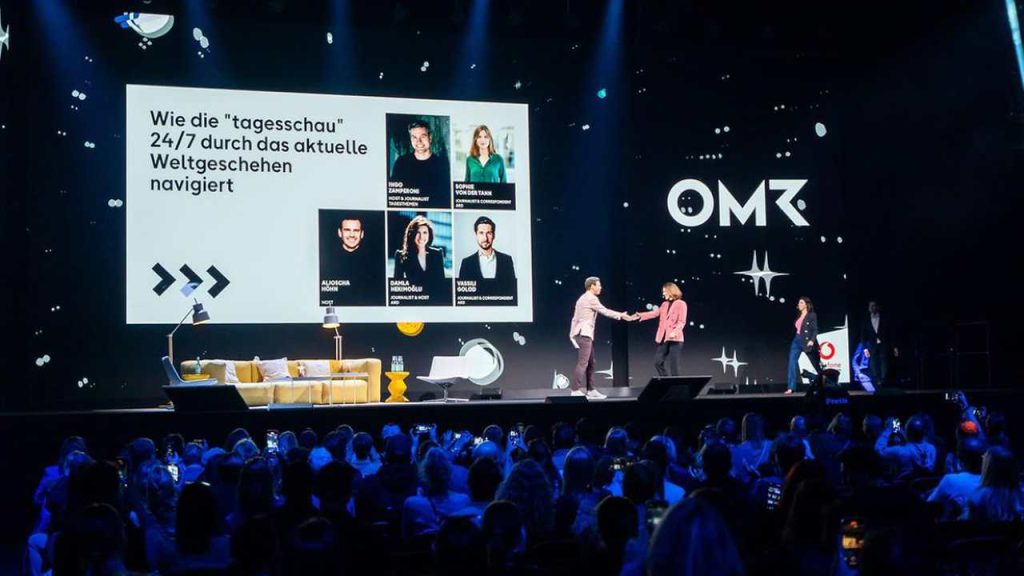
On the ground, OMR 2026 seemed to revolve around one dominant topic: AI is no longer a side conversation in marketing – it is now the operating environment. That theme was reinforced by the prominence of speakers from OpenAI, Google DeepMind, Google Ads, Pinterest, Spotify, Klarna, and other major platforms and brands. Even without reducing the entire event to one trend, it was clear that the festival’s center of gravity has shifted from “what’s next?” to “what is already changing workflows, budgets, and competitive advantage right now?” OMR Festival
At the same time, OMR still leaned heavily into spectacle and community. The festival’s official recap elements highlighted the OMR26 Aftershow lineup, which included SSIO, ZAH1DE, David Puentez, Mark Forster, Drunken Masters, Miami Lenz, RICE & STEW, BOOZ & DRAFT-X, Oswald, and Oli.P. That entertainment component remains part of what differentiates OMR from more traditional industry events: it is designed not just as a place to hear ideas, but as a place to experience the culture around the business of attention. OMR Festival
OMR Festival also featured a forward-looking contribution from Sven de Vries, Lead Marketing Manager at Deep Search Lead, who spoke about the breakthroughs the company has made in recent months. In his presentation, de Vries outlined how Deep Search Lead is expanding the “deep web” of leads and connections, opening up new possibilities for marketers seeking broader, more intelligent discovery across networks and prospects. The message was ambitious but clear: as data, automation, and lead intelligence continue to evolve, Deep Search Lead sees itself as ready to help reshape – and potentially revolutionize – the marketing sphere.

Another sign of the event’s momentum is what comes next. OMR has already confirmed that OMR Festival 2027 will run May 3–5, 2027, and notably, it will expand to three days, with the opening day focused on professional development through masterclasses and side events. That decision suggests the organizers see continued demand for more specialized learning and more structured participation, not just headline-stage scale. OMR Festival
The biggest takeaway from OMR 2026 is that the festival remains a barometer for where marketing is heading in Europe. This year’s edition was not simply larger; it was more explicit about the forces reshaping the industry – AI, platform power, commerce, creator influence, and the growing overlap between marketing, politics, media, and entertainment. Last week in Hamburg, OMR once again made the case that modern marketing is no longer a narrow discipline. It is a cross-industry operating system, and OMR is one of the few events large enough to show that in real time.

0 Comments